
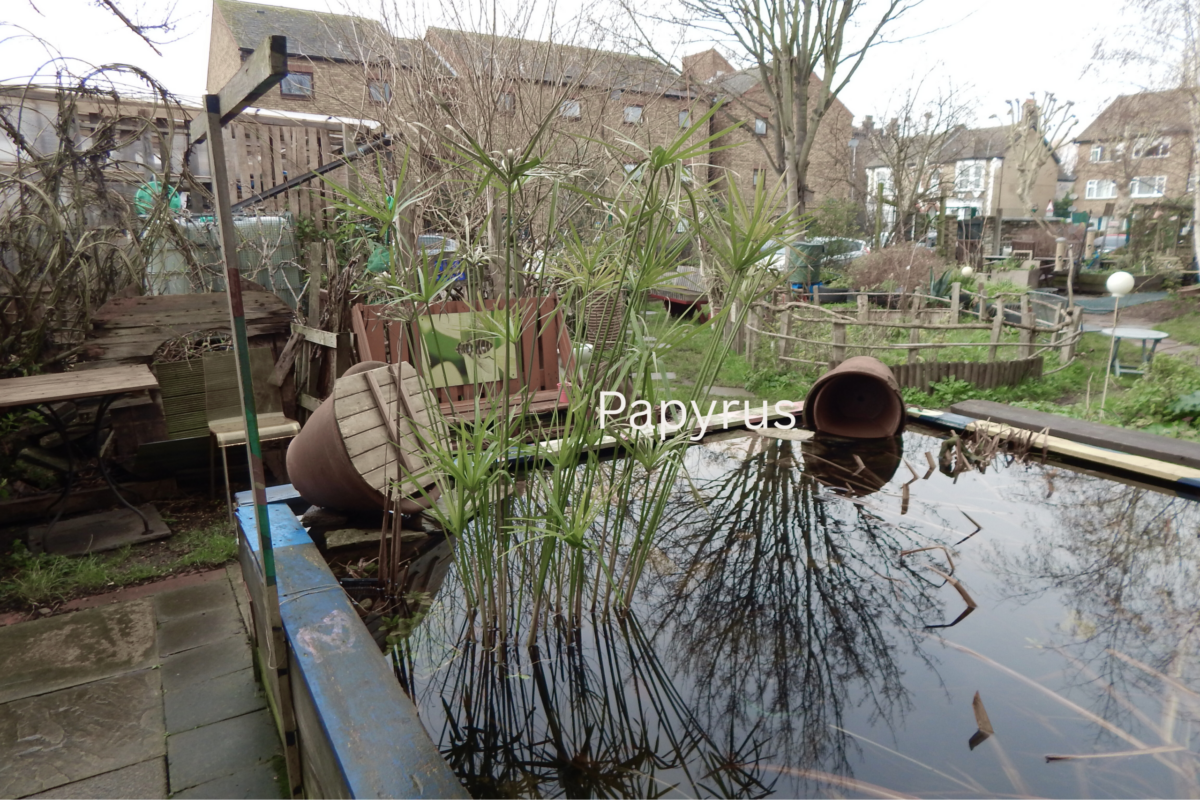
It has warmed up in the last week. The frozen pond is just a memory. It was surprising how quickly the thick ice melted. The temperature had risen from around freezing, and below at night, to 8 to 12 degrees. And it had melted, like ice cream taken out of the freezer.
We are becoming more aware of ice as the world warms through our overuse of fossil fuels. The ice field in the Arctic is shrinking. And the greed of nations eyes the region for its oil and minerals. Greenland is in the news. As its ice caps melt, its mineral wealth becomes more accessible. It’s like a real game of Risk.
Today, a small fly flew on my page as I wrote my notes, and there was birdsong. The pond though is utterly still, making me think of Keats lines from La Belle Dame Sans Merci:
O what can ail thee, knight-at-arms,
Alone and palely loitering?
The sedge has withered from the lake,
And no birds sing.
The poor knight has been captivated by a fairy, and will be stuck there forever awaiting her return. Things are not so bad with our pond, bleak as it is at the moment. I don’t believe it has been enchanted to stay that way. Although seemingly lifeless, with just a cluster of papyrus rising from the cold pond water, there is animal life at the bottom. But, being cold blooded, it is dormant. A few more degrees and the various larvae will awaken, enzymes triggering and life fluids flowing. We will see the backswimmers and water fleas in the pond. I wonder if any tadpoles or newt-poles have survived the cold spell. We won’t get our frog spawn until March. Perhaps I shouldn’t sound so certain, but it has not failed us yet.
The papyrus in the pond fascinates me. It is ultra easy to cultivate. Just pop the umbrella head upside down in water, and it will develop roots in a few days. From papyrus the Ancient Egyptians made the first paper, which meant writing on stone was not the only way to send a written message. An important milestone on the road to civilisation.
By the gate, the magnolia buds are swelling. Though there’s no sign of leaf development on the various willows, the first trees in leaf in the garden. The euphorbia is beginning to flower, with its green flower clusters. The are snowberries and the cotoneaster retains its red berries which I would have thought the birds would have eaten by now. But it is near the birdfeeders, so perhaps nuts are preferable.
Near the small pergola, the Viburnam tinus flowers on. It has been doing so through autumn and winter, hoping to catch the last insects of summer and now the first of spring as pollinators. For the first time, we have kept our buddleia full grown through the winter this year. Very soon, it will be cut back to a few feet. The plant is so fast growing that over the spring and summer it will grow from a few feet high to twelve or more, attracting butterflies and other insects. It is a popular spot for sparrows too. They are shy birds and can get lost in its foliage. Under the sycamore a few heathers have been planted, currently in flower. Possibly too shady. I shall keep an eye on them.