
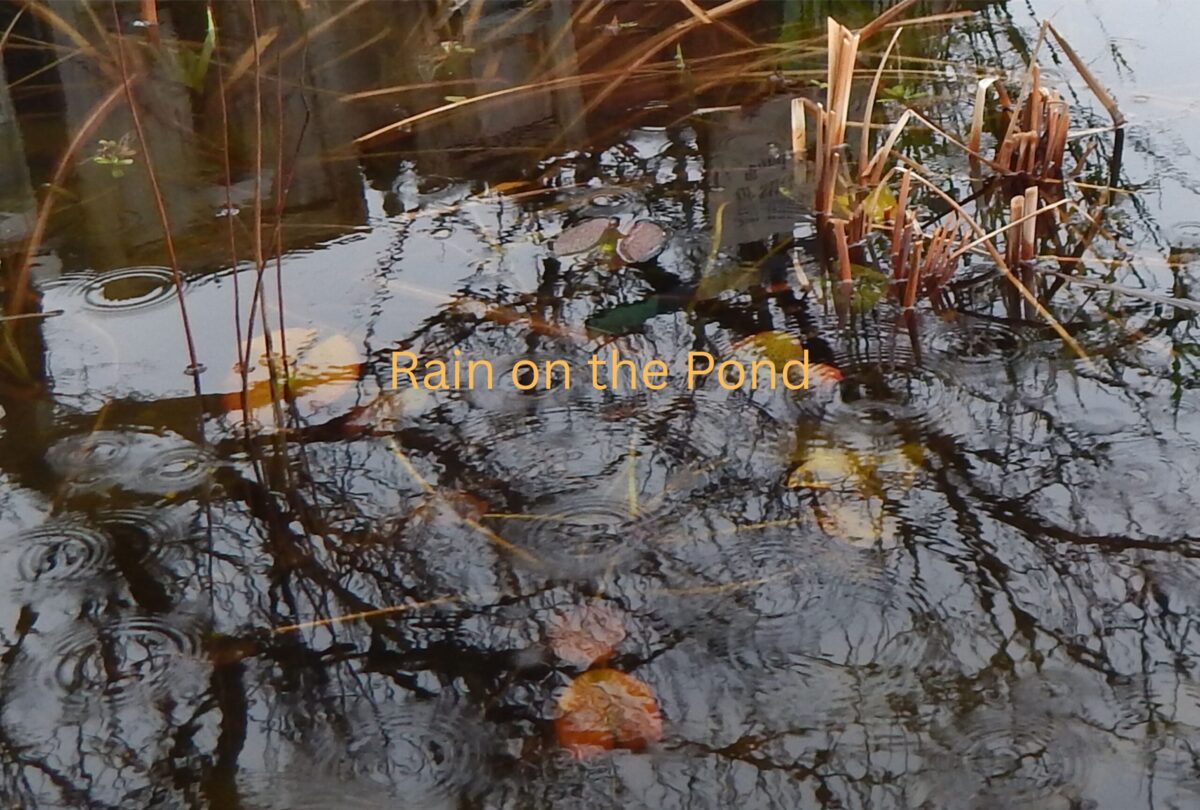
We had 118 mm of rain in January, a month which averages 55 mm in London. So well over double the average rainfall for the month. But February has had quite a deluge too. We have had 44 mm so far. February is usually quite a dry month, averaging 39 mm. We have beaten that all ready, and if that rate keeps up we could get to 160 mm. That is very unlikely, but this is certainly a very wet spell. All measurements are taken from our rain gauge in the garden, which I look at daily.
The South East, which includes London, is the driest area of the country. So we know from what we are getting here how much wetter it has been elsewhere in the country.
The BBC Weather Centre says:
‘Numerous flood warnings are in effect across the UK after January ended with record-breaking rainfall and February has shown no sign of reprieve. Persistent downpours have left the ground saturated in many areas and rivers bursting their banks. As of Saturday morning, more than 90 flood warnings had been issued across England and Scotland.’
We could have predicted much of the above from our own small patch. Last spring and summer were dry. Across the country, there has been quite some catching up to do in order to refill the reservoirs. Cornwall has had its wettest January since 1836, but South West Water says the reservoirs are just 91.4% full. Many reservoirs across the country have still not caught up from last year’s dry spring and summer. Add to this the problems of leaks in the pipes carrying water to our homes and workplaces, this could well lead to problems in a dry summer.
What we have is a mismatched water balance. We get a deluge in winter but that more than dries up in spring and summer. Is that the shape of things to come? If so, farmers are going to have an awful time in coming years, with either drowned crops or crop failures because seeds failed to germinate in a dry spring, or die in the summer drought.
How much of this high winter rainfall can be put down to climate change? This is always difficult to say, as there are many factors involved in weather and rainfall. But a warmer planet puts more energy into the atmosphere giving us stronger winds and more and fiercer storms. Warmer air coming off the seas will hold more moisture, so will lead to more rainfall on land. And it will get worse, as the world grows hotter, year on year, giving us increasingly wet winters, leading to flooding in many areas. Repeated flooding even, which becomes a crisis for residents who cannot protect their homes from floods year on year.
We are doing very little to mitigate climate change which is depressing as the effects are predictable. But we are not flying less, driving less, or buying less, and so climate change sweeps on. We are more or less at 1.5 degrees of warming. Continue as we are, and we are heading for 3 degrees or more. It’s like a car driving full speed at a brick wall, but the driver refuses to use the brakes. He either thinks, he’ll never get there, or superman will save him, or that the wall is not there at all; it’s a hoax.
The influence of President Trump has been to increase the number of climate deniers. His negative effect gives carte blanche to those countries who wish to expand their usage of fossil fuels. And to individuals too who in their numbers influence politicians. But what we can get away with in the short term, we cannot in the longer term.
We are cutting back our buddleia, having left it unpruned over the winter. The prunings needs to be chopped small if they are to compost. The wildflower bed is being cleared, so we can sow fresh seed in late March or early April. The fruit bushes in it, we are pruning. When it flowers in June, the wildflower bed is the showpiece of the garden.
I see, and hear, a robin in the sycamore tree. Spring is on the way.